Video games can be grouped in two useful ways: by their goal (why the game was made) and by their genre (what kind of gameplay they offer). Games are also made for different platforms, the devices or systems people play on. In this post we explain each one with examples.
Game goals
- Entertainment – the main aim is fun and enjoyment. Most commercial games fall into this group.
- Educational – the main aim is learning. These games teach a skill or topic, for example typing, maths, languages, science or road safety. Games made mainly for learning or training are sometimes called “serious games”.
Many games do both. A fun puzzle game can also build problem-solving skills.
Game genres
A genre is a category of game based on how it is played. Here are the main genres with examples:
| Genre | What the player does | Examples |
| Arcade | Fast, simple games that test reflexes. Originally coin-operated machines. | Pac-Man, Space Invaders |
| Action | Quick movement, timing and hand-eye coordination, such as jumping, fighting or shooting. | Super Mario Bros. |
| Adventure | Exploring a world, solving problems and following a story. | The Legend of Zelda |
| Puzzle | Solving logic, pattern or matching problems. | Tetris |
| Role Play Game (RPG) | Taking on the role of a character who grows stronger through a story, often making choices along the way. | Final Fantasy, Pokémon |
| Strategy | Planning and decision-making to beat opponents, often by managing resources or armies. | Civilization, chess |
| Simulator | Imitating a real-world activity or system as realistically as possible. | Flight simulators, The Sims |
| Board | Digital or physical versions of board games with turns and pieces. | Chess, Ludo, Monopoly |
| Sports | Playing or managing real-world sports. | Football, basketball and cricket games |
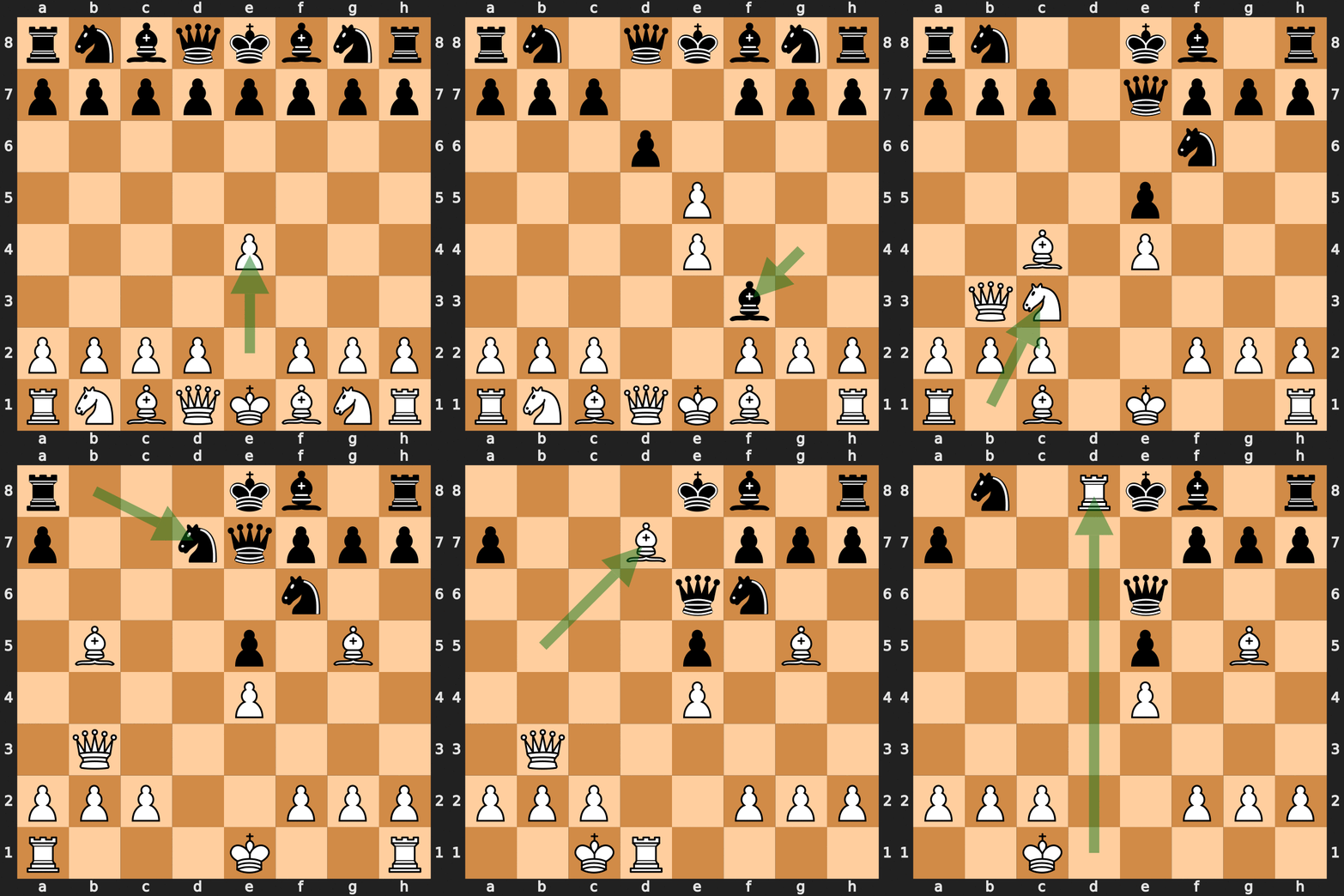
Many modern games mix genres, for example an “action-adventure” or a “puzzle-platformer”.
Game platforms
A platform is the console, device or system a game is played on:
| Platform | Examples | How games usually reach players |
| Computers | Windows, macOS and Linux PCs | Online stores and downloads, or physical discs |
| Handheld consoles | Game Boy, Nintendo Switch (hybrid) | Game cartridges or the console’s online store |
| Home consoles | PlayStation, Xbox | Discs or the console’s online store |
| Mobiles | Smartphones and tablets | App stores such as Apple’s App Store and Google Play |
| Arcade | Coin-operated cabinets in public places | Machines are sold or leased to arcade owners |
| Tabletop | Board games, card games, tabletop role-play games | Printed and sold in shops or online (no electronics needed) |
| Online | Browser games, online multiplayer games | Played through a website or game servers over the internet |

How are games deployed on different platforms?
Deploying a game means preparing it and releasing it so that players can use it on a particular platform. Some important points:
- Build for the platform – the game must be exported (built) in the right format for each platform. Many game engines can export the same project to several platforms.
- Adapt the controls and screen – a phone uses touch, a console uses a controller and a PC uses a keyboard and mouse. Screen sizes and performance also differ.
- Meet the platform rules – app stores and console makers review games before release. Console development usually needs approval and special development kits from the console maker.
- Choose a distribution method – digital download, physical copies, a website, or a publisher who handles release.
- Update and support – after release, developers often fix bugs and release updates.
Example
A simple Scratch game is deployed to the web by sharing it on the Scratch website. Anyone with the link can play it in a browser. See: How to share a Scratch Project.
Video
This Extra Credits episode looks at how game genres are defined and why the kind of fun a player wants matters as much as the mechanics.
Exercise
- Name one game for each genre in the table above (use different examples from the ones given).
- Choose a game you play and state its goal (educational or entertainment), its genre(s) and the platform(s) it is available on.
- A developer wants to release a PC game on mobile phones. Describe three changes they may need to make.
- Design a simple educational game idea for younger students. State the topic, genre and platform.
Next: Elements of Gameplay and Game Theory Explained (Zero-Sum, Positive-Sum and Negative-Sum Games)
Syllabus link: This post is relevant to the CAPE® Animation and Game Design Syllabus, Unit 1: Fundamentals of Animation and Game Design, Module 1: Understanding Animation and Game Design – Specific Objective 5 (“explain the different game goals and game genres”); Specific Objective 6 (“discuss the methods of deploying games on various game platforms”).
Attributions to media used in this post:
Opera Game, 1858.gif – Morn – CC0 (via Wikimedia Commons)

Ludu Play 02.jpg – INUSAH GANIYU – CC BY-SA 4.0 (via Wikimedia Commons)

© 2026 Vedesh Kungebeharry. All rights reserved.
[…] Game overview – genre, platform and target audience (see Game Genres, Goals and Platforms). […]